How to Import Printed Fabric from China: 5-Step Guide
Practical 5-step guide to importing printed fabric from China — supplier vetting, samples, payment, QC, shipping. Real numbers from a working mill.
You found a Chinese mill on Alibaba with prints you like and pricing that looks too good. You’ve never imported fabric before. The contract is in English but the WhatsApp answers come back at 2 AM your time. Where do you start, and where do most first-time buyers get burned?
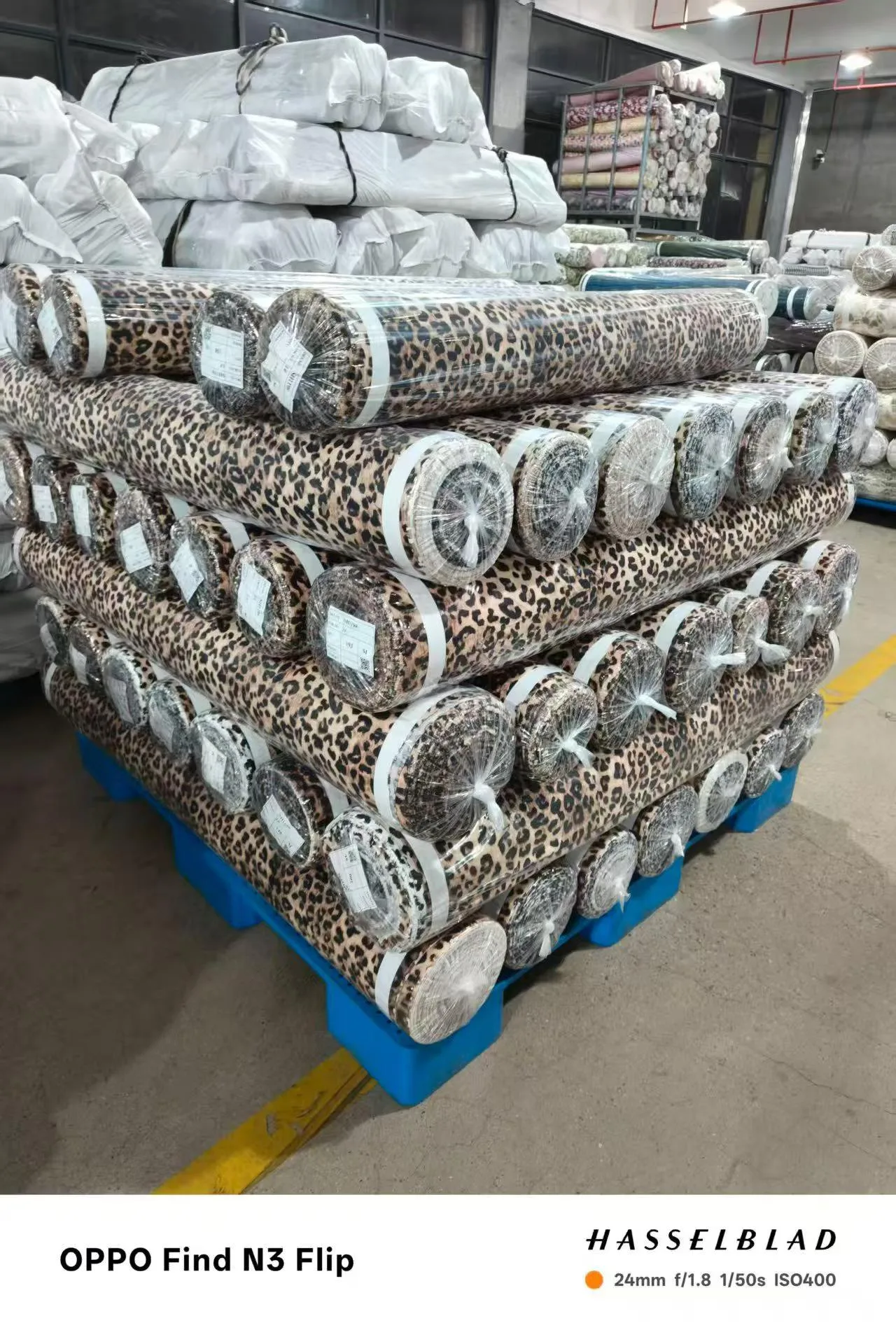
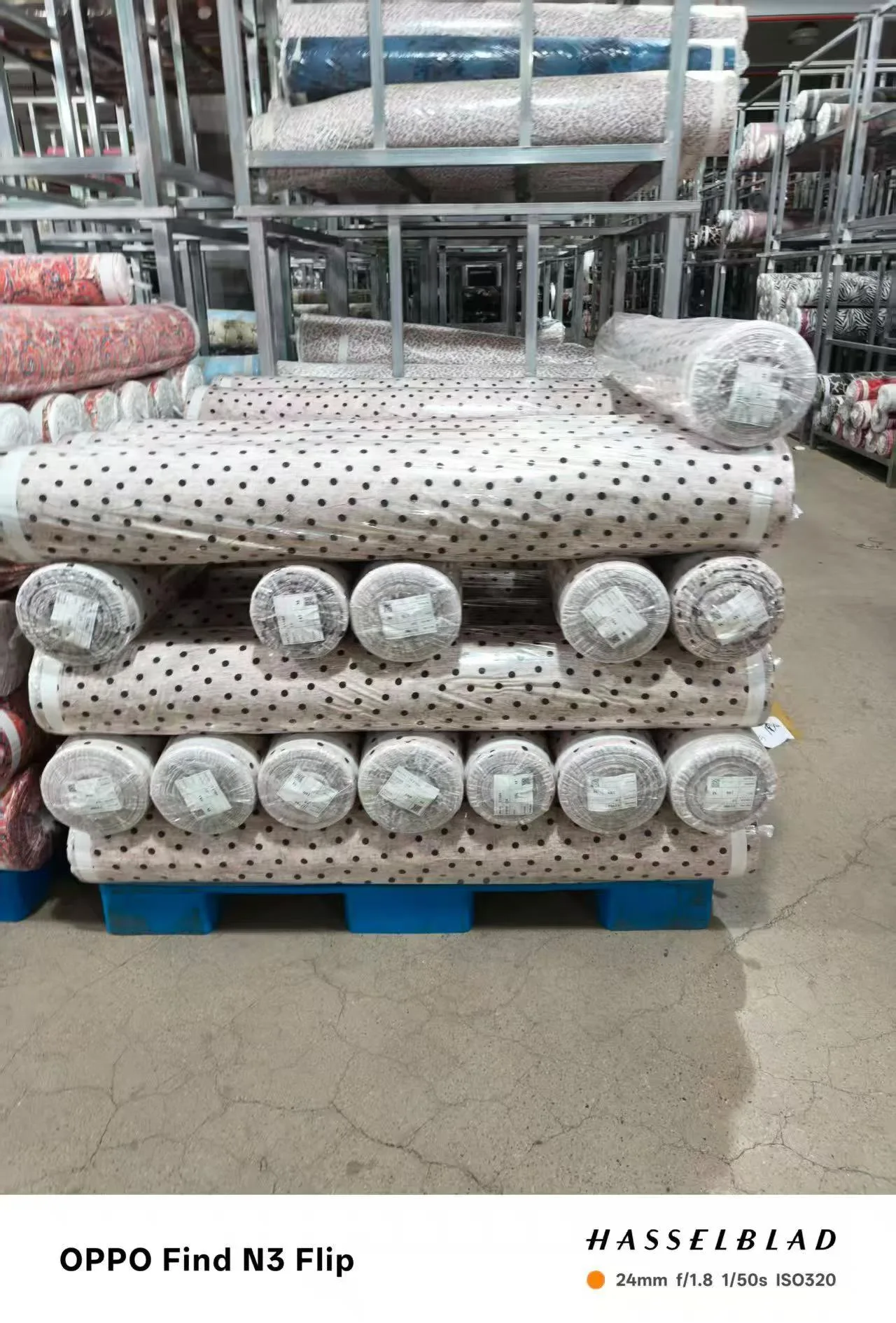
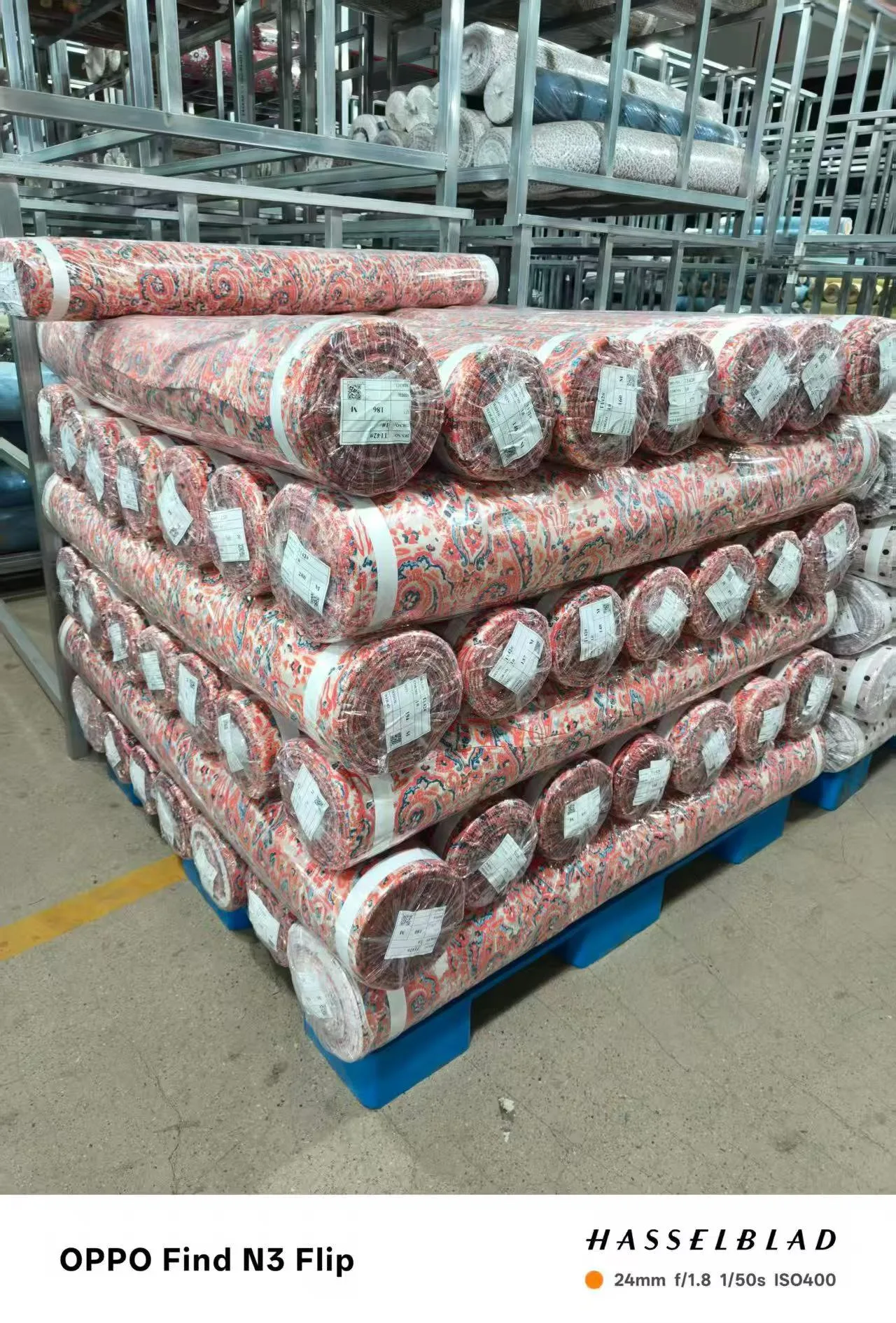
We ship printed fabric to 30+ countries every week from our mill near Guangzhou. The order book is full of designers, online boutiques, and small fashion brands who’d never imported anything before us. The 5 steps below are the exact path we walk every first-time buyer through — boring on paper, painful when skipped.
Step 1 — Find the right supplier (mill vs trading company)
The Alibaba search results are 50% trading companies, 30% small brokers, 20% real mills. The trading company will quote you fast and disappear when something goes wrong. The real mill will be slower to respond and harder to find on the front page, but the price and quality control are the things that survive scaling.
How to tell them apart in 5 minutes:
- Ask for a factory video right now, not a marketing reel. Real mills have one ready. Trading companies stall.
- Ask which printing methods they run in-house (rotary screen, digital, water-based). Mills name three and tell you when each is best. Brokers say “all of them” with no detail.
- Ask for the export tax certificate (出口退税登记). Mills have it. Many brokers don’t bother.
- Look at the catalog depth. A mill running fabric prints has hundreds of patterns in stock at all times. A broker has 8 patterns and re-shoots them with different lighting.
Mid-sized mills (20–80 staff, MOQ 50–150 m, in-house printing) are the sweet spot for first-time buyers. Big mills require 3,000+ m MOQ; small workshops can’t enforce QC.
Step 2 — Vet the swatch card and sample
Before you talk price, ask for a swatch card (free, ships in 3–5 days via DHL). The card tells you 90% of what you need to know. The four numbers that matter:
| What to check | Why it matters |
|---|---|
| GSM (grams per square meter) | Drape, opacity, garment yield. 90 GSM rayon ≠ 130 GSM rayon. |
| Width | 145 cm vs 110 cm changes your fabric usage by 25%. |
| MOQ per roll | A $0.50/m headline price at 5,000 m MOQ is meaningless if you need 200 m. |
| Lead time on stock vs. custom print | Ready stock = 5–7 days. Custom print run = 15–25 days. |
Once the swatch passes, order at least one full sample roll (10–20 m) of the print you intend to scale. Reasons: print color shifts between batches, hand-feel matters, your seamstress needs to test the fabric on a real pattern. Sample roll cost is usually waived against the bulk PO.
A typical first-order scenario from our books: a Texas online boutique placing a 500-meter order across three watercolor rayon prints for a Spring collection. They started with a free swatch card, ordered 10 m of each print as a sample roll, ran a sample dress in their pattern shop, and only then signed the bulk PO. Total elapsed time from first email to bulk PO signed: 18 days.
Step 3 — Negotiate the contract and payment terms
The standard payment structure for textile imports from China is 30% TT deposit, 70% TT before shipping (“30/70 TT”). For first-time buyers, mills will often accept 50/50 if the order is small and you ask. For orders under $5,000, Alibaba Trade Assurance is worth the extra fee — Alibaba escrows the payment until you confirm the goods.
Letter of Credit (LC) is the safest payment method for orders over $20,000 but adds 1–2% bank fees and 7–10 days of paperwork. Most repeat buyers in the $3,000–$15,000 range stay on TT.
Your purchase order (PO) must list, at minimum:
- Item code, fabric base, GSM, width for each line.
- Quantity in meters (not yards — China bills in meters).
- Unit price in USD/m and total invoice amount.
- Print method (rotary / digital / water-based) — locks the supplier to the price tier.
- Payment terms and shipping incoterm (FOB, CIF, DDP — see Step 5).
- Quality requirements (color tolerance, GSM tolerance, defects-per-roll cap).
- Latest shipment date with penalty clause if relevant.
Step 4 — Production tracking and QC
For a custom print run, the mill produces a strike-off (small printed swatch, ~1 m) for your color confirmation before the bulk run starts. Approve the strike-off in writing — once bulk printing begins, color cannot be changed without scrapping the run.
QC layers, in order of cost and confidence:
- Mill self-inspection (free, default). Includes color match, GSM tolerance, color fastness rub-test, basic defect count.
- Pre-shipment photo / video QC (free with most mid-sized mills). The mill emails 20–40 photos of finished rolls before they ship.
- Third-party inspection — SGS, Bureau Veritas, AsiaInspection ($200–$400, 1 day). The inspector visits the mill, randomly tests rolls against the AQL standard. Recommended for orders above $5,000.
Our own QC checklist on every roll: print clarity (no broken motifs), color fastness (rub-test under wet and dry), shrinkage (washed sample), GSM ±3 g/m² tolerance, width ±1 cm tolerance.
Step 5 — Shipping, customs, and import duty
Shipping mode depends on volume:
- Air courier (DHL, FedEx, UPS) for under 50 kg. Door-to-door 3–5 days. Best for swatches and sample orders.
- LCL ocean freight (less than container load) for 50 kg – 5 CBM. Door-to-door 25–40 days, cheapest per-kg above 100 kg.
- FCL ocean freight (full 20-ft / 40-ft container) for 15+ CBM. Cheapest unit cost, 30–45 days door-to-door.
Incoterm decides who handles what:
- FOB Guangzhou / Shenzhen — buyer’s freight forwarder picks up at port. Cheapest, requires you to have a forwarder set up.
- CIF Destination Port — mill arranges sea freight to your nearest port. Buyer handles customs clearance from there.
- DDP (Delivered Duty Paid) — mill handles everything to your door including duties. Most expensive, easiest for first-time buyers.
Customs and HS codes for printed fabric:
- HS 5516.x — woven fabrics of artificial staple fibres (rayon / viscose staple, modal). Most printed rayon challis falls here — rayon is regenerated cellulose, not synthetic, so it does NOT belong under HS 5407 or 5512.
- HS 5408.x — woven fabrics of artificial filament yarn (rayon / viscose filament, cupro).
- HS 5208.5x — printed cotton fabrics ≤ 200 GSM.
- HS 5407.x / 5512.x — synthetic filament / staple (polyester, nylon, acrylic). Use these only for true synthetic blends.
Import duty varies by destination (rayon prints, HS 5516):
- United States — typically 12–15% (HTS 5516.x). Plus any current Section 301 tariffs if applicable.
- European Union — 8% standard for woven artificial fibre prints.
- Mexico, Brazil, MENA, ASEAN — varies; usually 0–15%.
For first-time buyers we strongly recommend hiring a licensed customs broker at your destination port. Brokers cost $80–$250 per shipment and handle the HS code declaration, duty payment, and release paperwork. The cost is a rounding error against the cost of a misclassified shipment sitting in bonded storage for two weeks.
Sourcing checklist (save this)
Before you place the bulk PO:
- ☐ Factory video reviewed (real mill, not a broker’s stock footage)
- ☐ Swatch card in hand, GSM / width / MOQ / lead time confirmed
- ☐ Sample roll tested in your pattern shop
- ☐ PO drafted with all 7 line items above
- ☐ Payment terms agreed (TT 30/70 default; Trade Assurance for first orders under $5,000)
- ☐ Strike-off approved before bulk run
- ☐ Pre-shipment photos requested
- ☐ Customs broker engaged at destination port
- ☐ Incoterm confirmed (FOB / CIF / DDP) and freight quote in hand
Skipping any of these costs more than the time it takes to do them.
Short answer for skim-readers
Importing printed fabric from China is 5 steps: (1) find a real mill (not a broker), (2) order a swatch card and sample roll before bulk, (3) sign a PO with TT 30/70 payment terms and clear quality clauses, (4) approve the strike-off and request pre-shipment QC photos, (5) ship FOB / CIF / DDP based on volume and use a licensed customs broker at your port. We ship to 30+ countries every week from our mill near Guangzhou — printed rayon at $0.88–$1.00/m, MOQ 150 m, ready stock in 5–7 days, custom print 15–25 days. Free swatch cards on request.