Reactive Dyeing vs Pigment Printing — Which Lasts Longer?
Reactive dyes lock color into the fiber; pigment glues it on top. A wholesale mill breaks down chemistry, fade curve, and price so you pick the right method.
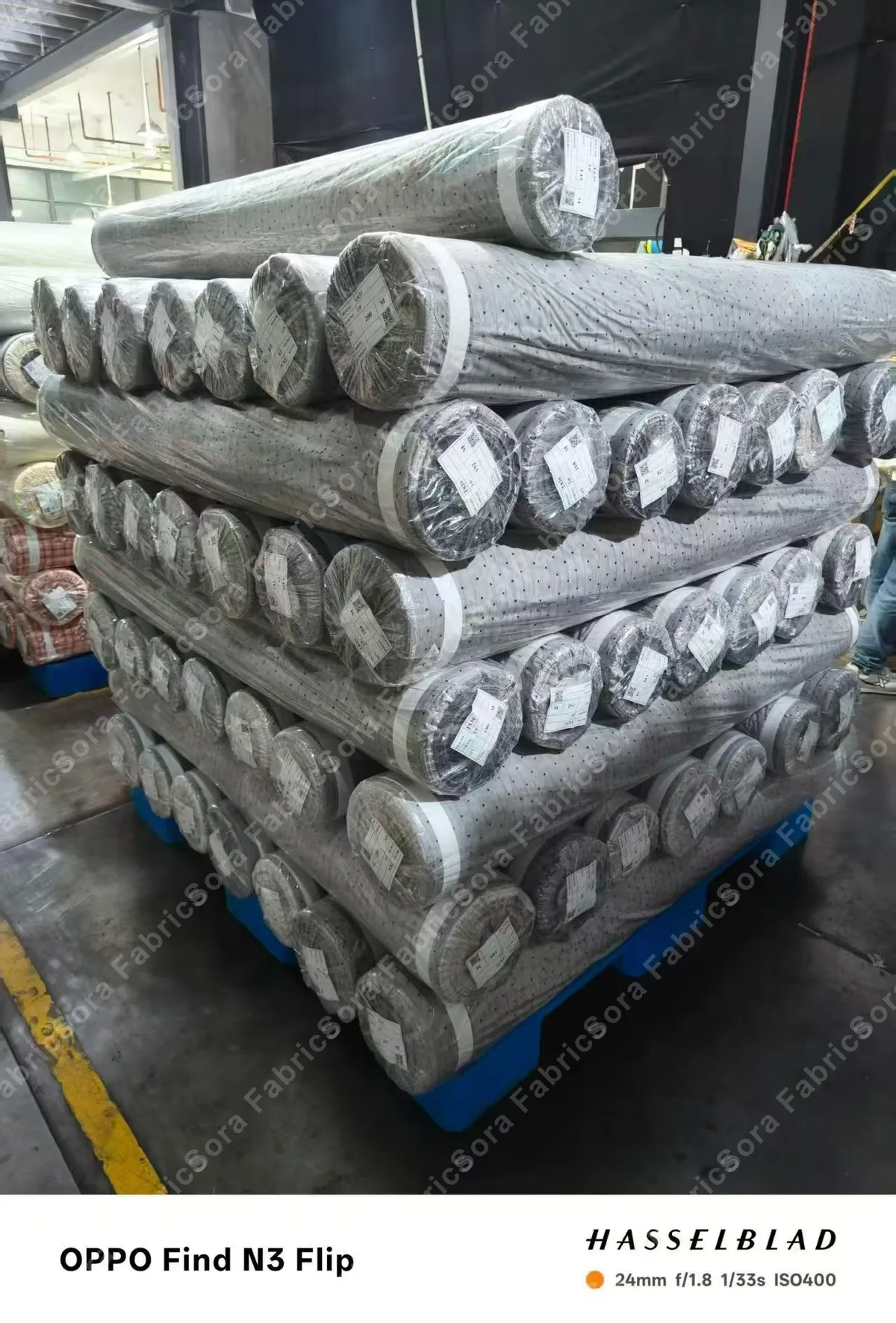
A buyer in Lagos opened two bolts of the same printed rayon — same artwork, same 90 GSM base, same supplier — and asked us why one bolt felt softer and the other looked more “matte.” The price had been quoted within $0.20/m of each other, and visually under shop lighting the prints looked the same.
The answer was the printing chemistry: one bolt had been done with reactive dyes, the other with pigment inks. Both are legitimate wholesale printing methods. Both produce a sellable fabric. But the way the color binds to the fiber is completely different — and that difference shows up under exactly two conditions: when the fabric is washed more than 30 times, or when the customer wants a soft hand against the skin.
This article is the same decision tree we walk every new wholesale buyer through.
The two methods, side by side
| Dimension | Reactive Dyeing | Pigment Printing |
|---|---|---|
| Binding to fiber | Covalent bond — dye enters the fiber molecule | Surface bond — resin glues pigment to the fiber surface |
| Hand feel after print | Soft, unchanged from greige | Slightly stiffer; resin film on top of weave |
| Color depth (wet & dry) | High — color goes through the yarn | Medium — color sits on the surface only |
| Wash fastness (30+ cycles) | Grade 4-5 (minimal fade) | Grade 3-4 (visible fade after ~30 washes) |
| Rub fastness (dry) | Grade 4-5 | Grade 3-4 |
| Best fabric base | Rayon, lyocell, tencel-linen, cotton | Cotton (poplin, twill), polyester blends |
| Cost premium | +20-35% over pigment (extra wash/fix steps) | Baseline (one print pass, no wash-off) |
| Eco footprint | Higher water use (multi-stage wash-off) | Lower water; more residual binders/resins |
| Lead time | +2-3 days vs. pigment (steam-fix + wash-off) | Fastest cycle (print → cure → roll) |
| MOQ economics | 150 m+ at competitive cost | 50 m+ feasible (no setup penalty either way) |
The honest punchline: reactive dyes win on durability and hand feel, pigment wins on cost and lead time. The decision is rarely about which is “better” — it’s about which trade-off fits the end-product.
When reactive dyeing is the right answer
Reactive dyes earn the price premium when any of the following is true:
- The fabric will be washed more than 30 times (everyday wear: dresses, blouses, kid’s clothing).
- Soft hand is part of the brand promise (silk-blend feel, “buttery rayon,” lyocell drape).
- The fiber is cellulosic (cotton, rayon, lyocell, modal, tencel-linen) — reactive dyes were chemically designed for these.
- The end-customer is mid-to-premium ($40+ retail dress). The +20-35% fabric cost is invisible at the retail tag but visible after one season.
In our mill, all of our rayon-print, lyocell-blend, and tencel-linen bases default to reactive dyeing unless the buyer specifically asks for pigment to hit a price point.
When pigment printing is the right answer
Pigment wins on two end-products where the trade-offs flip:
- Decorative, low-wash items: tablecloths, curtains, home textiles, novelty bags. The fabric gets washed 5-10 times in its life, not 50. Pigment fade is irrelevant.
- Children’s seasonal prints (kids’ Christmas pajamas, character licenses): retail price is tight, the item is outgrown before fade matters, and parents replace yearly anyway.
- Budget-sensitive bulk orders where the buyer accepts Grade 3 wash fastness in exchange for $0.30-0.50/m lower cost.
Most of our cotton-christmas-print bolts run on pigment for exactly this reason — seasonal item, decorative end-use, price-sensitive holiday channel.
What this looks like in real numbers
We pulled wash-test results from our QC lab for two recent orders, both on the same 130 GSM cotton poplin base, same buyer, same artwork:
- Reactive batch (200 m at $2.10/m): Grade 4-5 wash fastness at 50 cycles. Color depth measured 92% of original after wash. Buyer’s customer review: “Looks new after a year.”
- Pigment batch (200 m at $1.55/m, same artwork): Grade 3-4 at 30 cycles. Color depth measured 78% of original. Customer review: “Faded after summer.”
The $0.55/m cost gap is $110 on a 200 m order. For a buyer running 4 collections a year at 200 m each, that’s $440 saved on pigment — or $440 of “fade complaints” depending on which side of the trade-off you’re on.
The fiber-base matters more than people think
A common mistake: assuming pigment works equally on all fabrics. It doesn’t.
- Pigment on rayon: weak. Rayon’s smooth surface gives the resin nothing to grip. Wash fastness drops to Grade 2-3 after 20 cycles. We don’t quote pigment on our rayon-print bases.
- Pigment on lyocell: same problem, even more pronounced (lyocell is smoother than rayon). Always reactive on our lyocell-bohemian-print.
- Pigment on cotton poplin: works well. Cotton’s natural surface gives the resin grip. Wash fastness stays Grade 3-4 for the typical 30-cycle life of seasonal items.
- Pigment on tencel-linen blend: 50/50 — the linen content gives grip, but the tencel side reduces it. We default to reactive here.
If a supplier quotes you pigment-printed rayon at a “great price,” ask for the wash-fastness grade in writing. Cheap pigment on a smooth fiber is the most common quality complaint we see referred to us by buyers switching mills.
The honest decision tree
Pick reactive if: cellulosic fiber + apparel + 30+ wash cycles expected + buyer can absorb +20-35% cost.
Pick pigment if: cotton-based + decorative or seasonal end-use + <30 wash cycles + tight price target.
Mix on the same SKU: rare but legitimate — some cotton-poplin-print buyers run reactive for the front panels and pigment for the lining, balancing cost and visible-color durability.
Sora’s default routing
For full transparency, here is how we route every new wholesale order at our mill:
- Rayon-print, lyocell-blend, tencel-linen → reactive dyeing (no buyer override unless requested)
- Cotton-poplin → buyer’s call; we default to reactive for apparel, pigment for home/decor
- Cotton-christmas-print and seasonal kids’ lines → pigment by default
- MOQ ≥ 500 m, premium retail brand → reactive regardless of fiber
If you’re unsure which fits your collection, send us your artwork and a one-line description of end-use (e.g. “kids’ summer dresses, retail $35, expecting 40+ washes”), and we’ll come back with both quotes side by side so you can compare the real cost-vs-durability trade-off for your specific design.
Sample swatches in both methods are available at no charge for first-time buyers. Get in touch to request a comparison set.