Low MOQ Fabric Sourcing for Indie Fashion Brands
How indie fashion brands source printed fabric from China at 50 to 150-meter minimums — without the markup. Real numbers from a working mill.
You’re an independent designer about to place your first wholesale fabric order. Your tech pack says you need 80 meters of a watercolor floral rayon for a 40-piece capsule. Every China mill you’ve messaged on Alibaba quotes a 500-meter minimum per color. The math doesn’t work. So you go to a US wholesaler, pay $7-9 per meter, and watch your gross margin disappear before the collection even ships.
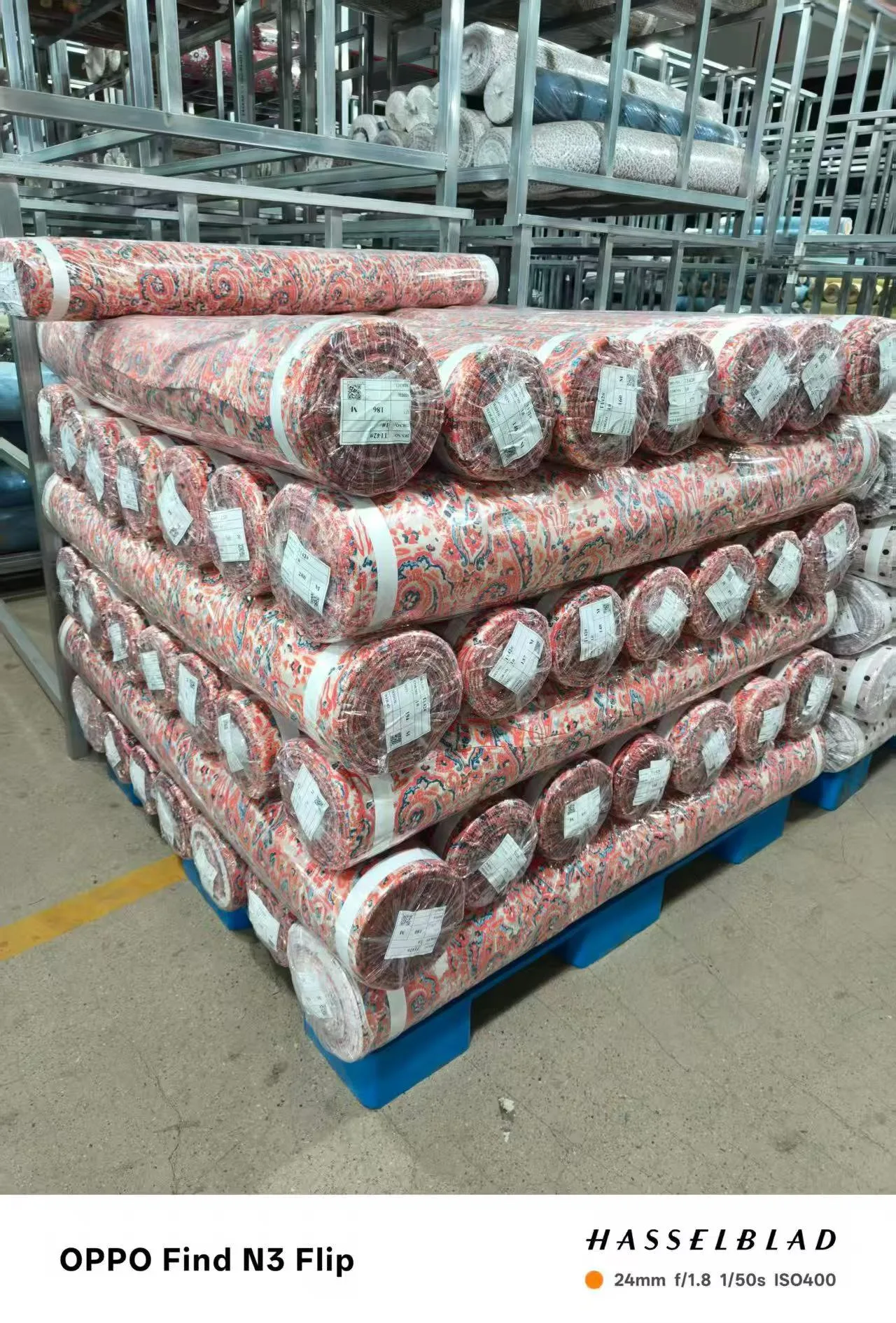
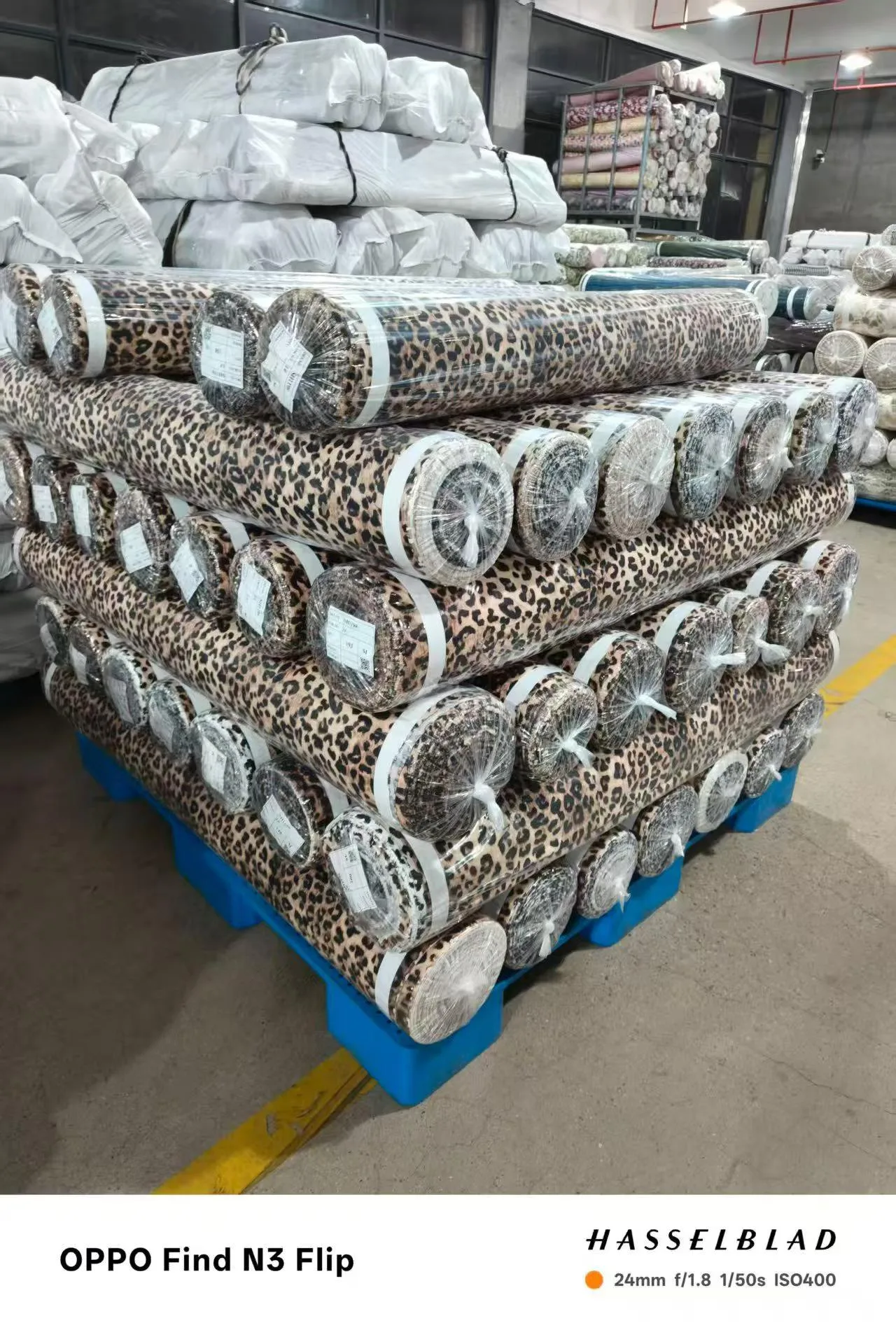
This is the most common single-thread sourcing problem we see at Sora Fabrics — and it is not the problem most buyers think it is. The 500-meter floor on Alibaba is a trading-company floor, not a mill floor. We run a printing mill near Guangzhou that ships printed fabric to 30+ countries every week, and our real per-color minimums look like this:
| Fabric base | Minimum per color | Width | Price range |
|---|---|---|---|
| 100% Cotton (poplin / plain) | 50 m | 148 cm | $1.65 - $3.00 |
| Lyocell blend (70% Rayon + 30% Lyocell) | 100 m | 145 cm | $0.98 - $1.05 |
| Rayon (Viscose) print | 150 m | 145 cm | $0.88 - $1.00 |
| Tencel-Linen blend (85% Rayon + 15% Nylon) | 150 m | 150 cm | $1.15 - $1.30 |
That is the actual MOQ. Not “minimums starting from” with a star. Three numbers — 50, 100, 150 — across four bases, every print pattern, ready stock. The rest of this guide is for the indie brand owner who has been told otherwise.
Why the 500-meter myth keeps spreading
The Alibaba front page is a sorting layer, not a mill directory. Roughly half the suppliers ranked on the first page are trading companies — they hold no fabric, run no looms, and earn a 15-30% margin between you and the actual mill. Their job is to aggregate small orders into something the mill will accept. To make that work they need to buffer demand, which means quoting 500 m minimums even when the mill itself ships 100 m rolls all day.
A real mill behaves differently. We hold our stock as 150-meter rolls for rayon and tencel-linen — that’s one production batch from the rotary screen. One roll = one MOQ. If you want 80 m, we can’t sell you 80 m without breaking a roll, so the price stays at the 150 m floor. But if you order 50 m of cotton poplin, we cut from a smaller batch run because cotton MOQ is genuinely 50 m at our mill. The number you see is the unit of production, not a negotiation tactic.
What “low MOQ” actually buys you
For an indie brand owner running 1-3 collections a year, low MOQ changes more than the per-order cost. It changes the shape of what you can release.
- More prints per collection. 5 prints × 150 m = 750 m total commitment, deliverable. The same budget at a 500 m mill buys you 3 prints. The collection feels thinner before a single garment is cut.
- Better dead-stock math. A rayon top uses about 1.4 m. A 150 m roll = 107 tops. Sell through 60 tops and you still have 40 left for sample sales, restocks, or a custom one-of-one drop. At 500 m the dead-stock risk roughly 3× even before you account for size grading waste.
- Real seasonal cadence. A summer rayon kaftan capsule can use 4 different florals (150 m each), ship in 5-7 days from our ready stock, and be in your warehouse before the Fashion week buy-window closes. At 500 m per print + custom production lead time of 30-60 days, that capsule is a next-season project.
Cotton poplin at 50 m is the most aggressive of our minimums. It works because cotton poplin shares roll structure with our children’s print line — both run on the same loom, both finish to the same width, so the cut-tear-bundle workflow for 50 m of adult print or 50 m of kids’ print is identical. The 50 m number is real, not promotional.
The 1,000-meter trap (and how to avoid it)
A growing indie brand will hit a different MOQ wall around month 6: air freight versus sea freight. Below ~300 kg of fabric (very roughly 1,000 m of mid-weight cloth) it is faster and surprisingly cost-competitive to fly your order. Above 300 kg, sea freight unlocks but adds 4-6 weeks to lead time. The exact crossover depends on lane and season, but every indie brand crosses it at some point.
What this means for your MOQ planning:
- Stay under 300 kg per order for your first 3-4 batches. Iterate fast, test sell-through, refine your bestselling prints before committing to bigger commitments.
- Aggregate orders when you know what works. Once a print sells out at 150 m, ordering 450 m the next time bundles the freight cost across more meters and the unit logistics cost drops sharply.
- Don’t pre-commit to 1,000 m in year 1. The mill that pushes you to 1,000 m on your first order — even at a lower per-meter price — is usually a trading company hedging its position. Walk.
A concrete scenario: 200-meter watercolor rayon capsule
Take a Brooklyn-based indie ready-to-wear designer launching a Spring resort capsule. The line plan calls for 2 floral prints × 100 m each of printed rayon at 90-100 GSM for slip dresses and kaftans. That’s 200 m total, under 60 kg, fits in a single air parcel.
Working with us, the timeline looks like this:
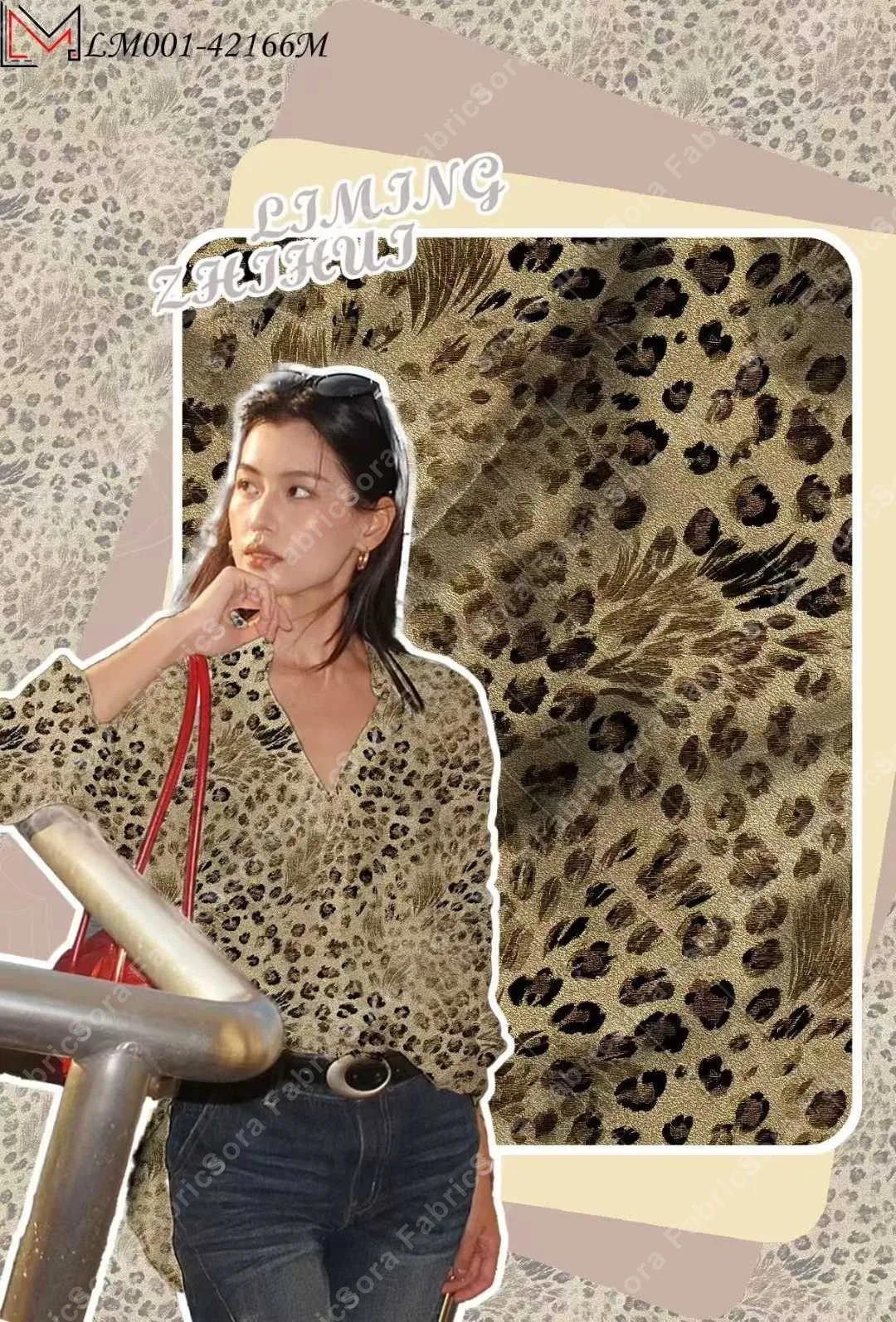
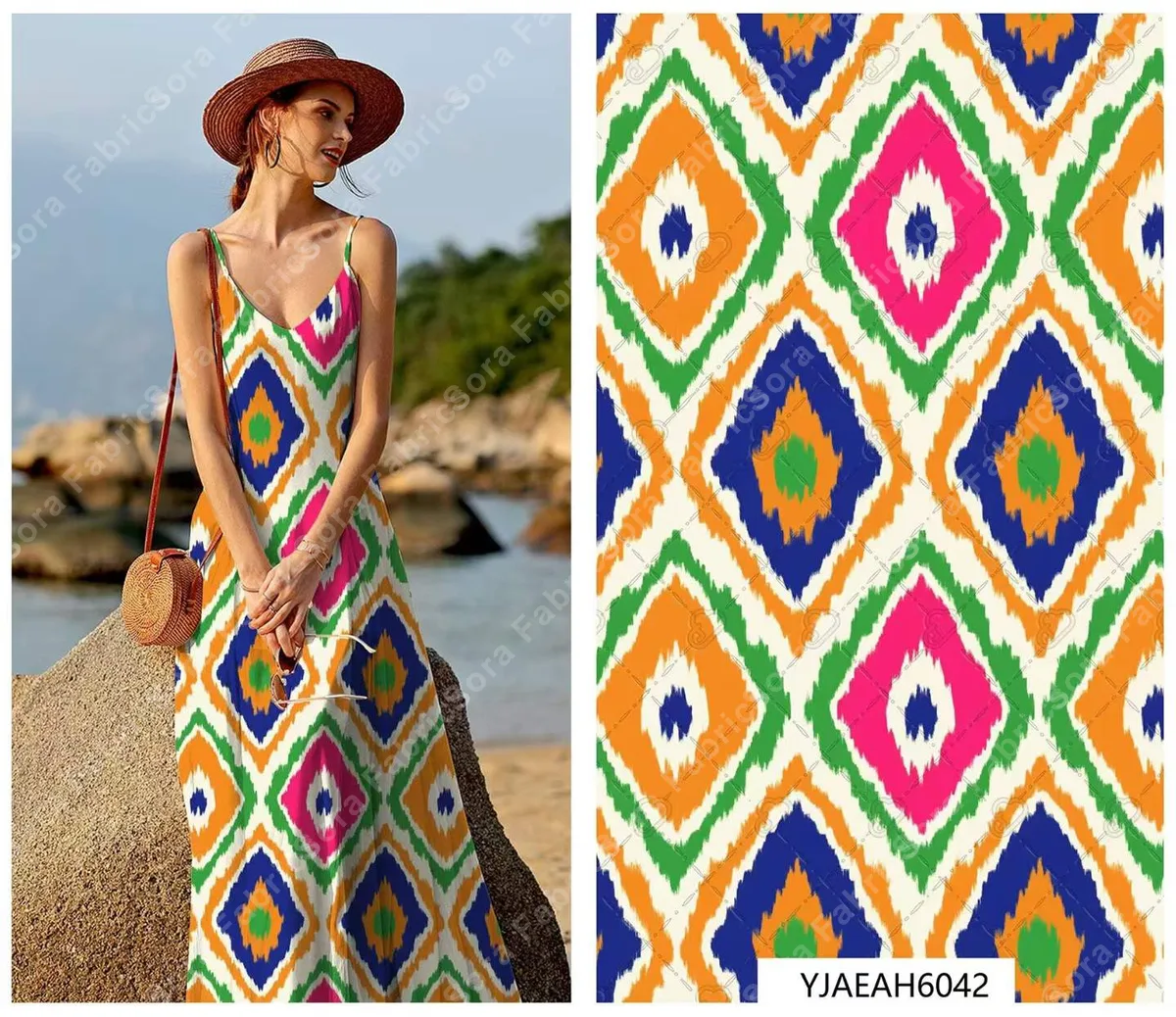
- Day 1 — WhatsApp message with reference images. We send back swatch options from our 1,000+ pattern library that day, no charge.
- Day 3 — Mailed swatch card lands at your studio. You pick 2 prints and 1 backup.
- Day 4 — Order confirmed: 2 × 150 m (we can’t break the 150 m per-color rule on rayon) = 300 m, not 200 m. Yes, you pay for the extra meterage. Yes, this is the friction. But 50 m of overage at $0.88/m is $44 — meaningfully cheaper than going to a US wholesaler at $7-9/m for the original 200 m.
- Day 5 — TT 30% deposit received. Cutting and packing begin.
- Day 8 — Order ships from Guangzhou. Air freight (DHL/FedEx) arrives Brooklyn in 3-5 days.
- Day 13 — Fabric in your studio, garments in cutting two days later.
Total cost of fabric for the capsule, landed: roughly $264 (300 m × $0.88) + $180 air freight + customs/duty (~$40 in the US) = $484 fabric line item for 40 dresses + 30 kaftans. Per-garment fabric cost lands under $7. At a US wholesaler the same fabric volume would have been $1,400-1,800 with similar lead time but worse fabric quality.
What “low MOQ” does NOT mean
A few honest disclosures that trading companies often skip:
- It does not mean unlimited custom colors. Custom screen printing — meaning your artwork, not from our 1,000+ stock library — has higher minimums (~300 m typically) because we have to engrave new rotary screens. Stock prints at the 50/100/150 m MOQ pull from already-printed inventory.
- It does not mean free samples. Mailed swatch cards are free up to ~10 prints. Cut samples (50 cm × 50 cm) of stock prints are billed at $2-4 per piece plus shipping. Custom print samples (your artwork printed onto fabric) are billed at $80-200 per print color setup.
- It does not mean overnight. Ready-stock at our mill is genuinely 5-7 day dispatch. Custom orders run the standard 25-40 day production calendar. Don’t confuse “low MOQ” with “fast custom.”
Vendor checklist before you commit
If you are about to place a first order with any China fabric mill, low MOQ or otherwise, run through this 7-point checklist:
- Is the supplier a mill or a trading company? Ask for a 30-second video of the warehouse floor. A mill can do it in 5 minutes. A trader will reschedule.
- What is the per-color MOQ in meters, not yards? Specify the unit. China mills price in meters; some traders quote yards to confuse the comparison.
- What is included in the price — fabric only, or fabric + cutting + packing? Some mills charge cutting fees separately for orders under 500 m.
- What is the lead time for ready stock vs custom print? Ready stock should be ≤ 10 days dispatch. Custom should be ≤ 45 days. Anything outside is a yellow flag.
- What payment terms are offered? TT 30/70 is standard (30% deposit, 70% before shipment). Anything demanding 100% upfront is a yellow flag.
- Is there an inspection step before shipment? SGS or Bureau Veritas third-party inspection is $400-600 and worth it on first orders ≥ 500 m total.
- Can the supplier supply an HS code and the documents needed for customs in your country? Printed rayon is HS 5407, cotton is HS 5208 — your supplier should know this.
Read the related companion guide How to Import Printed Fabric from China — 5-Step Guide for the full sourcing-to-delivery walkthrough.
Get a real quote
We ship printed rayon at 150 m MOQ, cotton prints at 50 m MOQ, and lyocell blends at 100 m MOQ — ready stock, no production wait. WhatsApp us at Sorafabrics with your reference images and we’ll send swatch options the same day. No agency, no markup, no 500-meter trap.